
Sugar or Arsenic? No, they are not equal chemically nor are they similar in their toxic ways. Arsenic can kill any of us if ingested like sugar in as short a time as 24 hours. Sugar, on the other hand, is possibly equally as deadly if ingested often for one's lifetime, from infancy onward. The diseases that sugar contributes to are well known by most of our readers; as an inflammatory molecule, sugar induces weight gain, sluggishness, headaches, poor concentration and contributes to diseases such as diabetes, hypertension, heart disease, strokes, dementia, arthritis and can feed cancers as well. What am I to do about it? The next page will give you some practical tips.
Several people in town and as far away as Australia have been fighting to reduce sugar in our children's diets. Linsie Steele has created a shopping concept called getvie.com Each week she scours the local food stores and comes up with a list of the healthiest foods at the lowest prices and posts them on her website. You can subscribe to this service on a monthly basis. Check it out!!
Books:
SUGAR: A BITTERSWEET HISTORY BY Elizabeth Abbott, a large read that is very illuminating. This book got me started on the thought of this campaign several years ago.
SWEETNESS AND POWER: THE PLACE OF SUGAR IN MODERN HISTORY by Sidney Mintz,
Gary Taubes. a New York Times writer whom I delivered a public talk with several years ago, has written THE CASE AGAINST SUGAR and WHY WE GET FAT and GOOD CALORIES, BAD CALORIES.
Author Barbara Stitt has written several great books, FOOD AND BEHAVIOR & NUTRITIONAL GUIDELINES FOR CORRECTING BEHAVIOR, Barbara helped a prison in Ohio help with prisoners' behaviors by reducing sugar and has worked in school systems to reduce drop out rates and behavioral problems just by adjusting the amount of carbohydrates (sugars) in their school breakfasts and lunches!
Wendy Vigor-Hess, nutritionist, has written a very easy to use cookbook, Sweetness Without Sugar
arsenic actually worsens our glucose levels and insulin levels, follow this reference https://healthsciences.arizona.edu/news/releases/study-uncovers-new-link-between-long-term-arsenic-exposure-and-type-2-diabetes
Check these books out, they are important educators in the fight against sugar.
FILMS:
Some films are now viewable for low cost or free. One such film, found on Amazon is THAT SUGAR FILM, by Australian Damon Gameau who visits Aborigines who previously ate well until their government made it much harder to get good food and much easier to buy really bad, sugar laden food. Then Damon comes to America and visits places like Kentucky where 2 year olds are introduced to Mountain Dew.
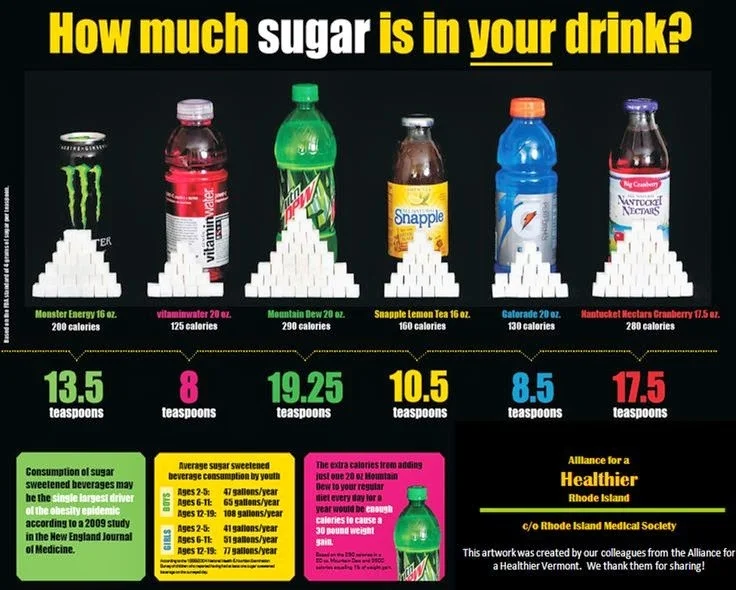
In a new study in 2025 that analyzed the effects of sugar rationing in the United Kingdom after World War II, reduced sugar consumption to levels within current dietary guidelines, from in utero exposure up to two years of age, was associated with a decreased risk of type 2 diabetes, hypertension, and obesity in adulthood by 20 to 35 percent [89]. Approximately two-thirds of the risk reduction was attributable to sugar restriction between six months and two years of age. These findings expand the evidence of "metabolic programming" and demonstrate that limiting sugar exposure during the first two years of life has important long-term health benefits. think about this, one in three of us adults with diabetes may not have it if we had not been fed extra sugar in our first 2 years of life. At the laundramat recentl I saw an 19 month old holding a 16 oz bottle of pepsi or about 15 tspns of sugar!!! consumed over 45 minutes!!
Lastly, a recent study in the New England Journal (June 26,2025) in Regulatory Policy to Address Ultraprocessed Foods, the author indicates our diet had increased by 500 calories a day between 1970 and 2000. and indicates eating slower decreases our caloric intake each meal. In otherwords, take our time at the table, we don’t have to be like me, eating like I’ve been fasting for five days…..Ultraprocessedfoods or UPF’s are quick to buy and eat and satisfy our hunger but replace natural foods, vegetables, meats, fruits. These UPF’s do not do our bodies any favaors, even the gut microbiome changes significantly, and this biome, these little “good” bacteria, supply much of the neurotransmitters which keep us happier, less depressed. The food companies know our brains better than we do. Tragic!! By 18 months children who sit infront of the TV can recognize foods on the grocery store shelf, pop tarts and cereals and candy. Tragic!!